LA’s Petersen Museum Tribute to Aston Martin
February 1st I got up early for the two and a half hour drive from Palm Desert to The Petersen Automotive Museum on Whilshire Blvd in Los Angeles. You might be asking yourself, why would I interrupt my vacation in beautiful Palm Desert to submit to a drive through downtown LA? Well, for starters, it was early, for a Sunday – I had to be there at 9:30. But then, that begs another question – why get up at 6 AM on a Sunday?!
The Petersen and the Aston Martin Owners Club had conspired together to create a club tour of their latest special exhibit – a showing of a dozen rare and rather special Aston Martin cars. It isn’t everyday a museum commits to showing a list of Aston Martins. One, they’re rare, so they’re hard to find. Two, you have to convince an owner, in this case hopefully someone in the Western United States, to lend you their car for a few weeks. Not an easy ask. So, why not enlist the help of Aston Martin itself? After all, you are the Petersen Museum, just one of the world’s premier automotive museums.
Help Aston Martin did. And, while this exhibit is set to last until this October, I thought, as spring is here and the weather is getting more conducive to vacations and driving, it might be fun to show you the cars that are at the Petersen. Who knows, you might not have the chance to visit. So, here’s your chance to see most of what they have on display.
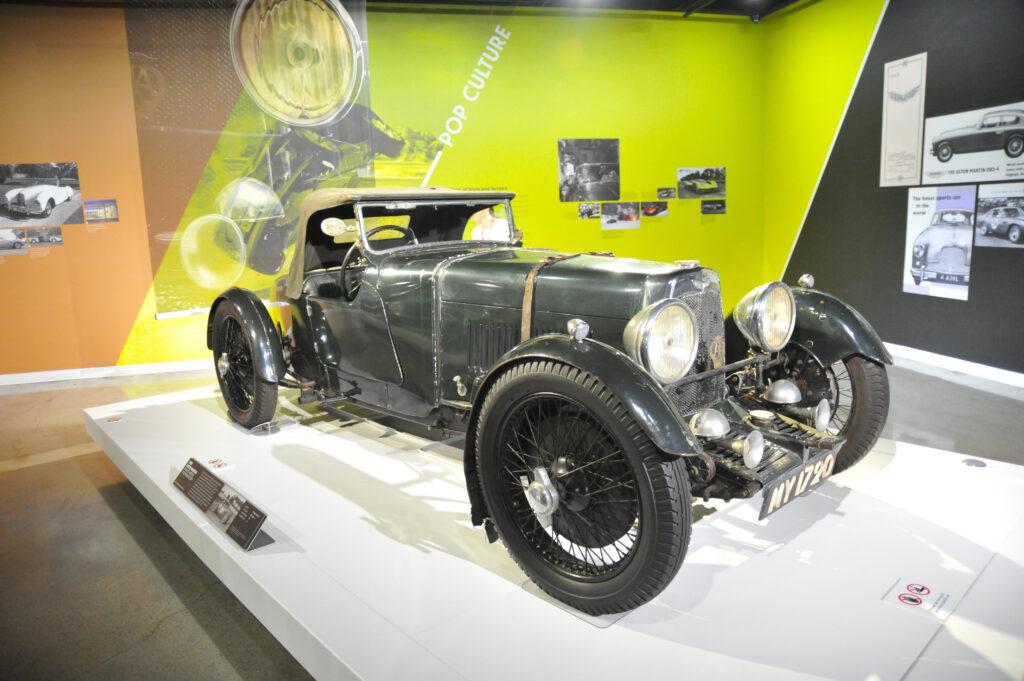
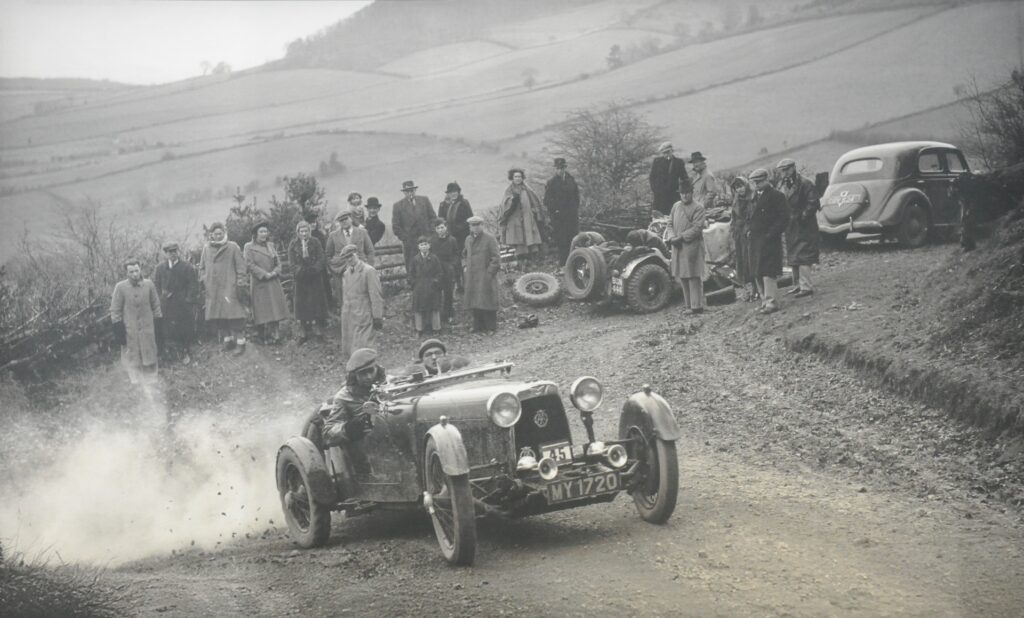
First, is the 1929 Sports Model, nicknamed the Feltham Flyer, and also known as the S-Type. With 56 HP and a top speed of 81 MPH, it was first displayed at the 1928 Olympia Show. Only six of these cars were built, but with modifications to the chassis and running gear it became the much better selling International model from 1929 to 1931. Below is a period photo probably from around 1939, of the Feltham Flyer participating in a hillclimb, which were popular races during that time.
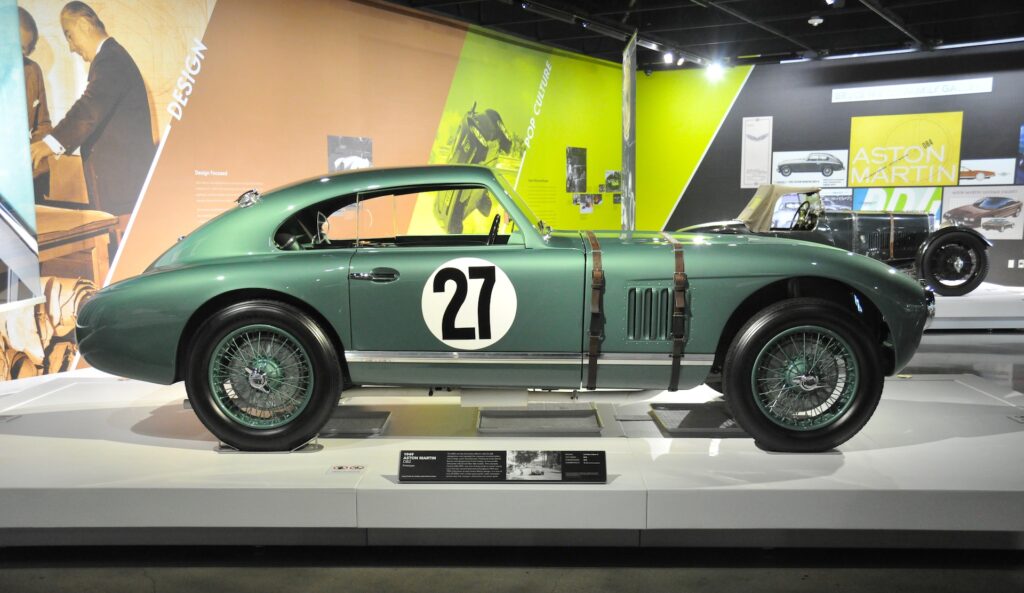
Next, we have the 1949 DB2, so named after David Brown, who bought Aston Martin out of bankruptcy in 1947 for a mere 20,000 pounds. As you might expect, the DB2 was the first of many Aston’s over the next eighty years that would use his initials to designate the brand’s models. This particular car is one of three prototypes that were used for racing, securing a class podium at the 24 Hours of LeMans. Production models of the DB2 produced 105 HP and a top speed of 110 MPH. 299 DB2’s were built along with 102 Drophead Coupes (that’s British for convertible).
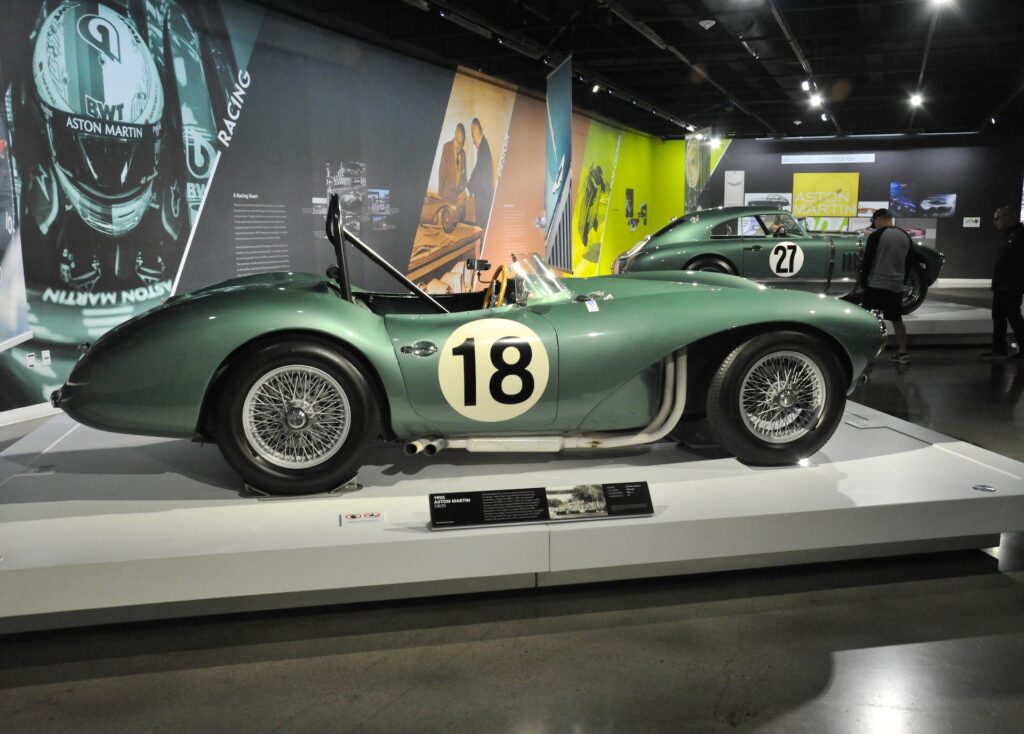
Shortly after the DB2 came Aston’s dedicated race cars. The 1955 DB3S had a very successful history, winning 15 of the 35 major races it entered. The DB3S below, is the third of twenty made for customers, out of a total of 31 built. With 225 HP from a 2.9 liter straight six for a top speed of 145 MPH.
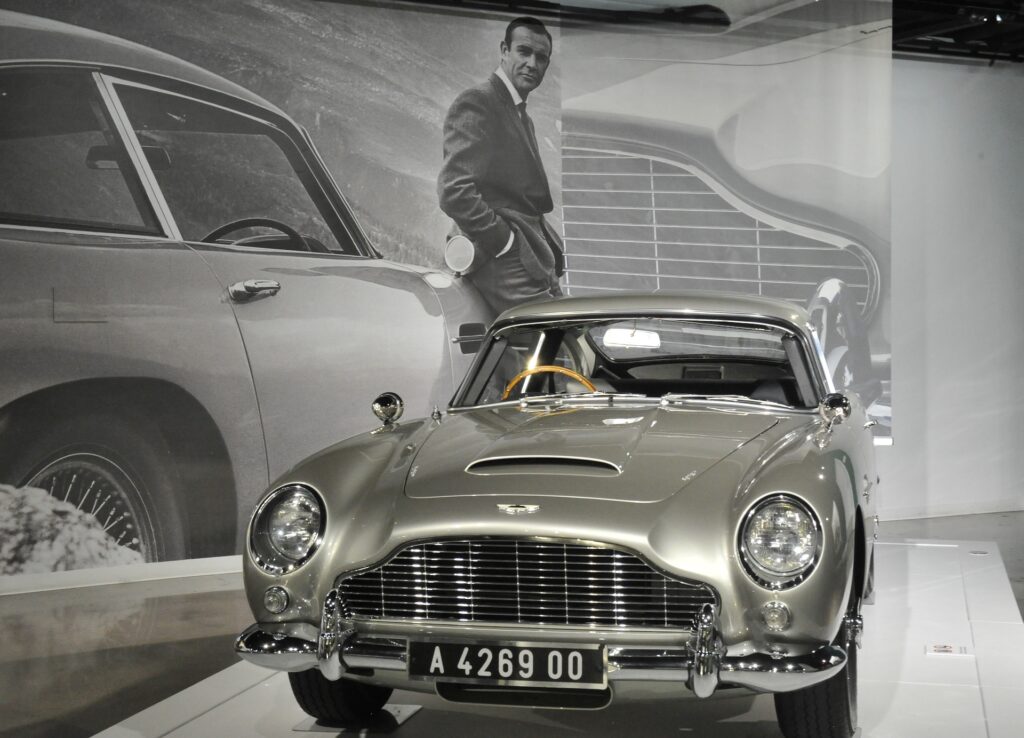
What can you say about the James Bond DB5 that has not already been said? And what exhibit of Aston Martin would be complete without one? Here is a classic Silver Birch example of possibly the world’s most famous car.
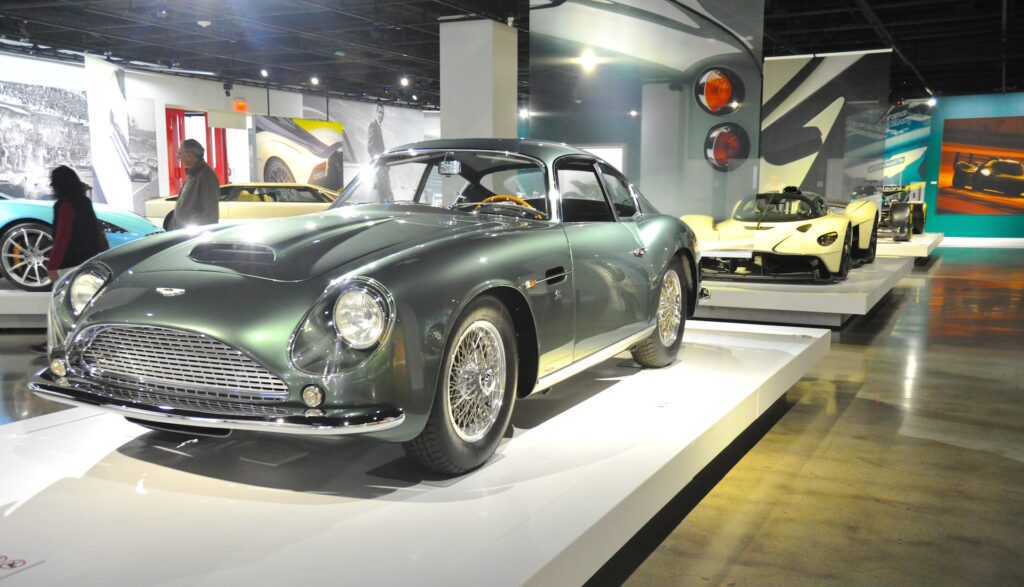
In 1960, Aston began a collaboration with Italian coachbuilder Zagato that sill exists today. A chance conversation at an auto show resulted in Zagato re-bodying the DB4GT model into what is widely regarded as one of the most beautiful cars ever made, the DB4GT Zagato. A 3.6 L straight six generating 302 HP powers the Zagato to 152 MPH. Only nineteen were built and today their value is somewhere north of $16 million.
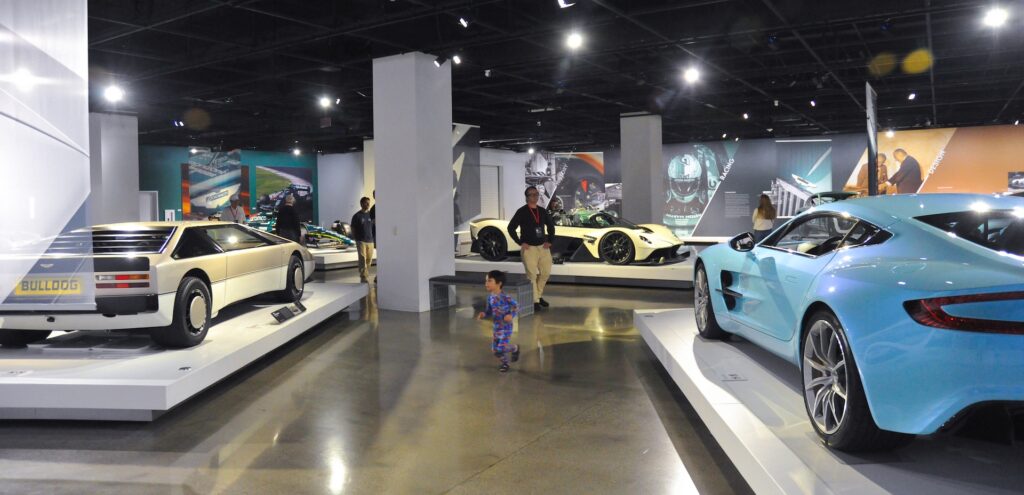
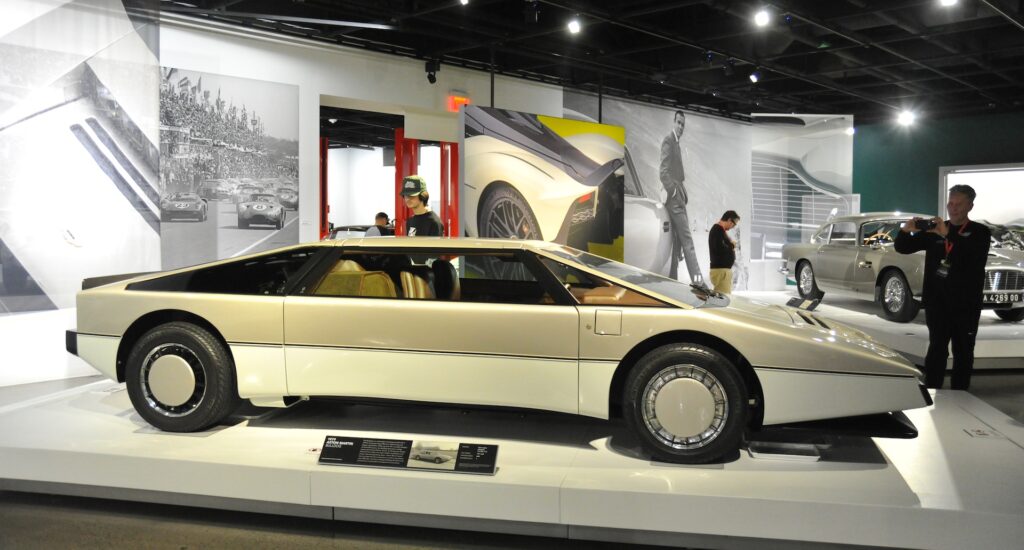
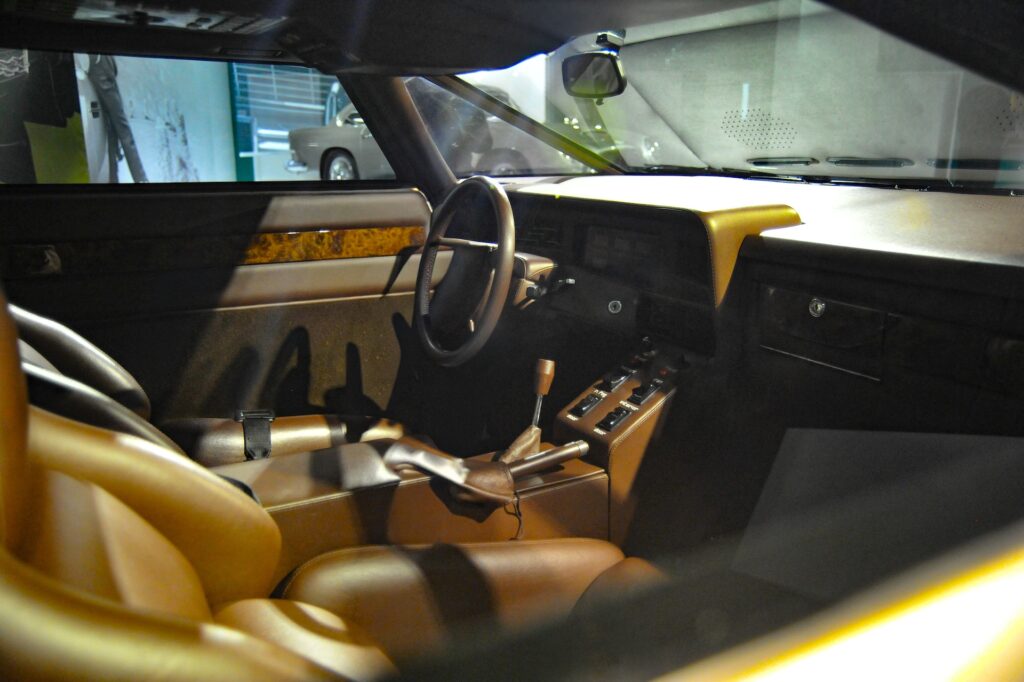
In 1977, William Townes was commissioned to design something outrageous as a concept car intended for limited production, to follow up on his space-age, wedge design of the 1978 Lagonda. This is what he came up with: The Bulldog, or officially, DPK901. With a twin turbocharged, fuel injected 600 HP V8 it was advertised with a top speed of over 200 MPH. In period, it only managed 191, but in 2023 the fully restored Bulldog hit 206 MPH. It never reached production, so this is the only one ever built.
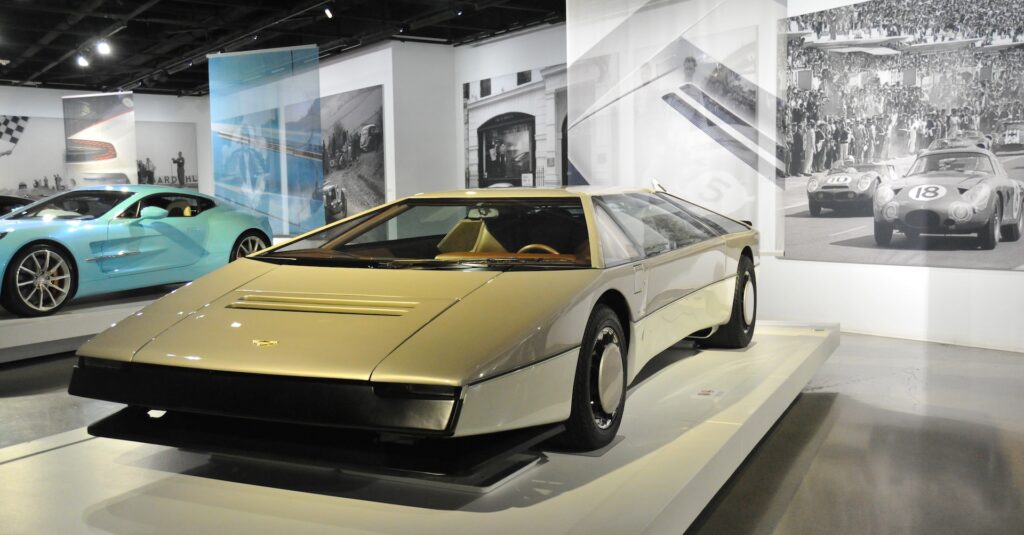
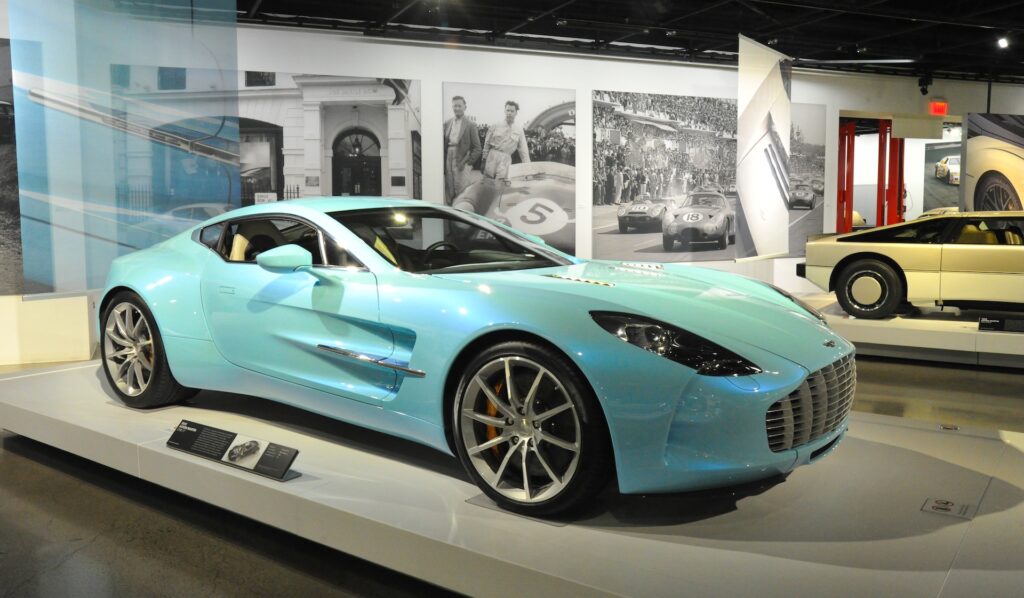
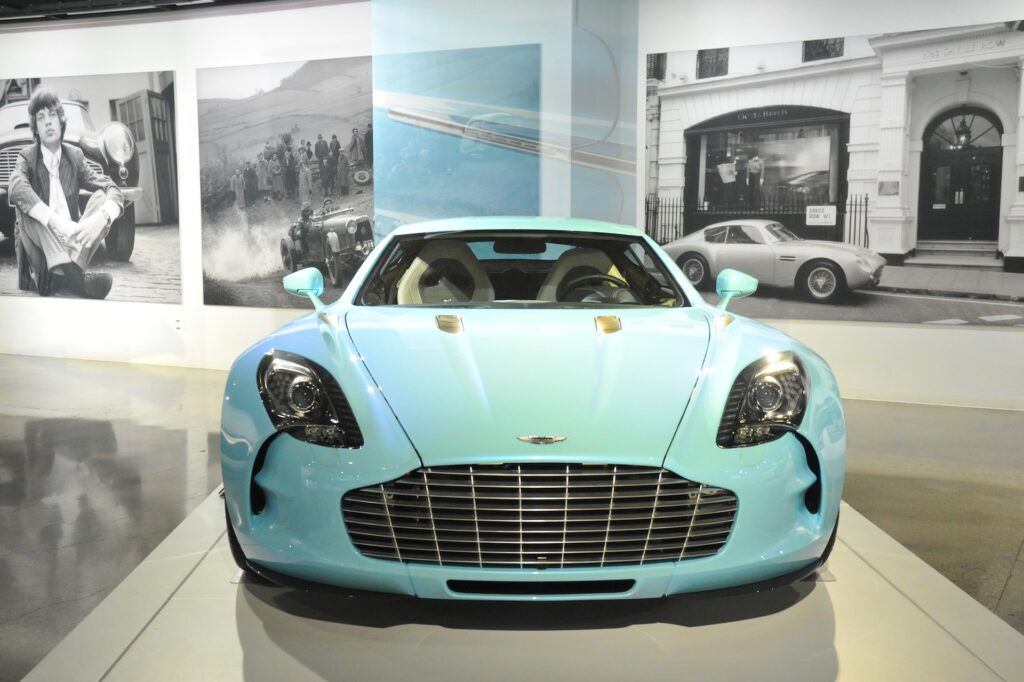
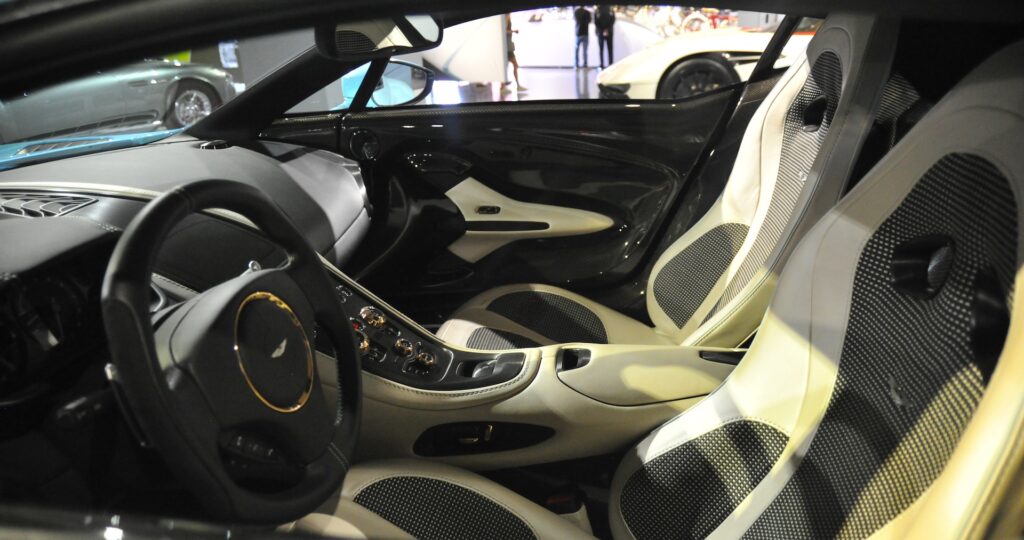
Moving on to the 21st century is a beautiful example of the 2011 One-77. As the name implies, only seventy-seven were made at a base price of $1.2 million. With customization, every car was sold for far more than that. It boasted a carbon fiber tub and an outrageous, Cosworth developed 750 HP 7.3 Liter V12 engine, derived from the production 5.9 Liter V12. Probably one of my top three AM designs for beauty and performance. With a legitimate top speed of 220 MPH, this car was a great leap in technology for production Astons.
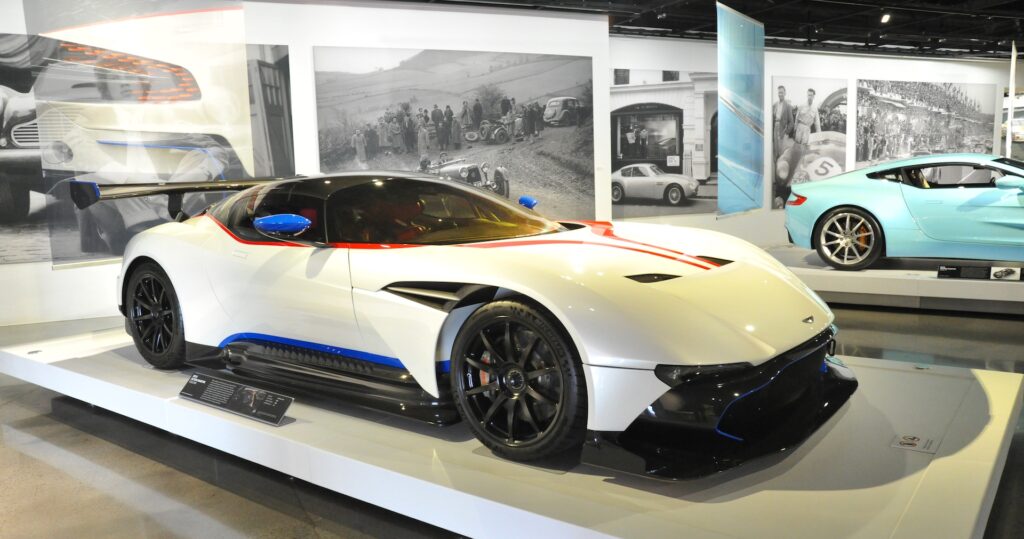
Next came the 2015 Vulcan, at the time Aston’s most powerful supercar, and the first AM car designed as a track-only, not street legal, hypercar. Sporting a 7 Liter V12 with 820 HP, also derived from the standard production 5.9 Liter V12, this car could be classified as a menace to society. Haha. Twenty-five were built.
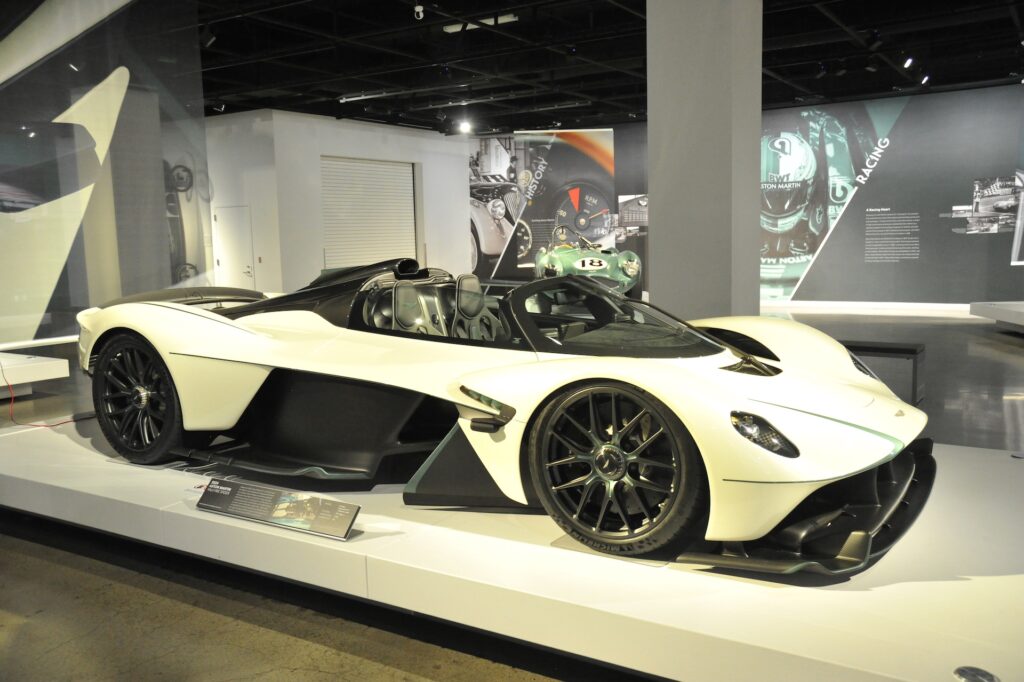
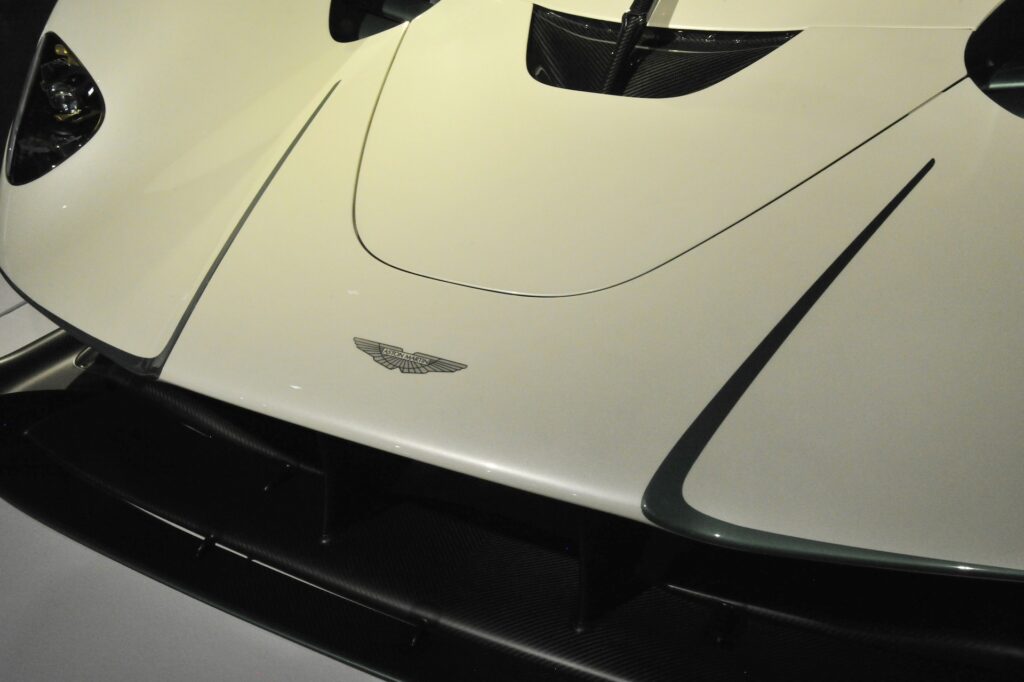
Finally, we come to the 2024 Valkyrie. First released in 2021, this F-1 car for the road was developed in partnership with legendary designer Adrian Newey and Red Bull Racing. The design goal was 1 HP per 1 Kg. Constructed entirely of carbon fiber, it utilizes many radical aerodynamic tricks, most noticeably the Venturi tunnels under the car, to generate over a ton of downforce. Eighty-five of these $3.5 million cars were built with a naturally-aspirated, Cosworth 1,000 HP V12 that revs to 11,000 rpms and, combined with hybrid electric motors, produces a total of 1,160 HP. Top speed in excess of 220 MPH. One hundred fifty were made, along with 25 track-only versions, and another eighty-five Spiders (open top version).
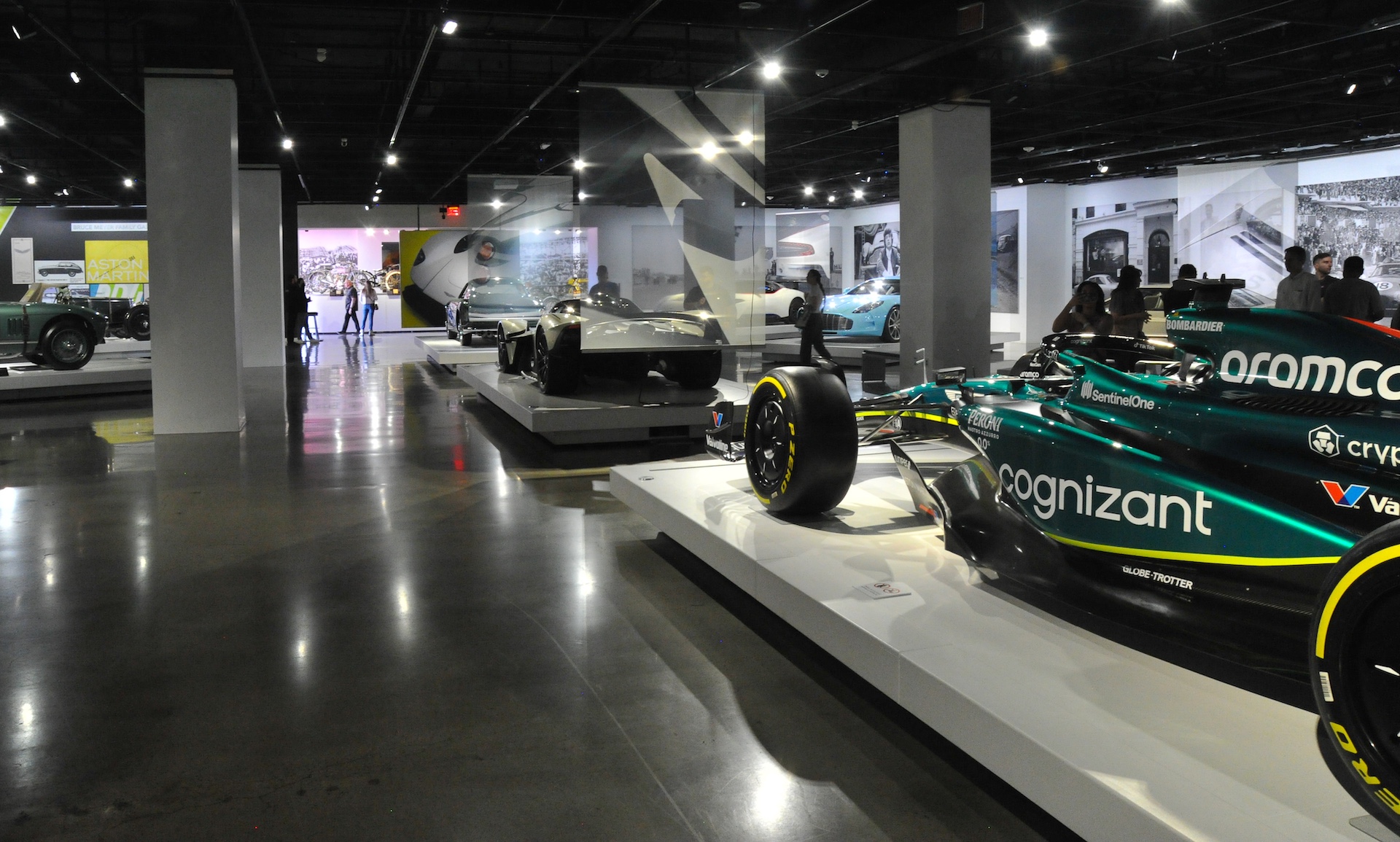
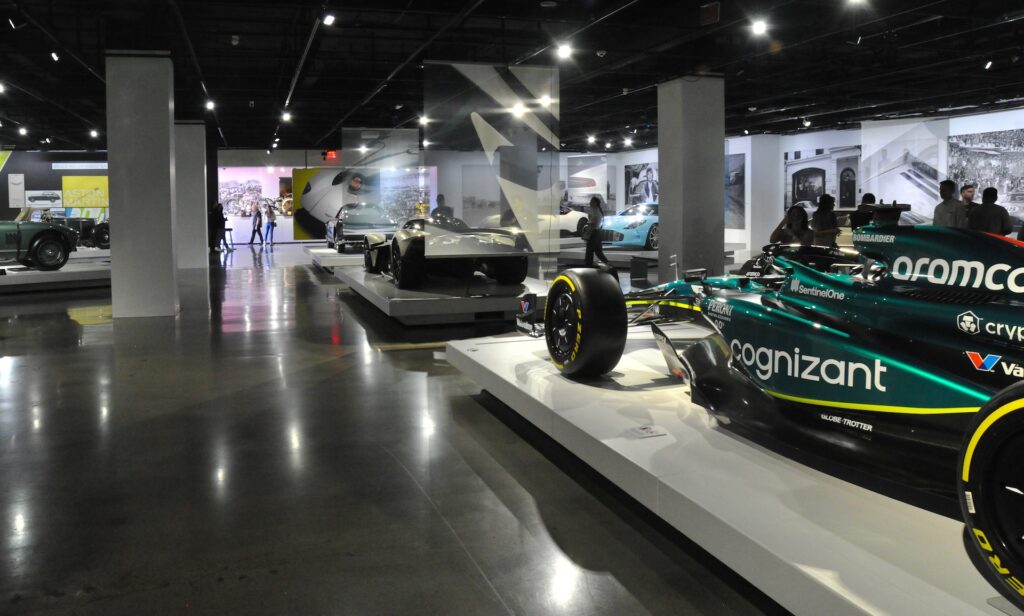
Last is a glimpse of the Aston Martin AM23 Formula One car from 2023 that achieved eight podium finishes.
And there it is. You just saved yourself the $25 entry fee, plus gas and airfare, to get to the Petersen Museum. Then again, maybe like me, you will want to see for yourself. Or maybe this will inspire you to go for a drive in your favorite machine. Either way, I hope you enjoy it.