In Search of… The One
I don’t seem able to find her. She lurks about. I manage to catch a glimpse as she rounds a corner, but it’s only a provocation. She lures me forward on an endless chase to find perfection. Ah, so ephemeral; she seems to be more elusive than ever, yet I find her unceasingly interesting, thought-provoking. Even short glimpses of her cause me to catch my breath. Always, there are more misses than successes.
What is it about beauty, particularly in the form of a modern mechanical device, that makes it so difficult to envision and even more so to manifest? Like today’s trained industrial designers, we seem to attach other requisites to the meaning of what makes a machine beautiful. Today’s creatives gauge beauty to include not only shape and form, insisting it must present innovation in its utility and an effectiveness at completing its stated function.
All right, fair enough. It is, after all, a machine. Most anything can made beautiful if it need not function. But a thing must, after all, serve a purpose to justify its existence. Still, how much weight does one give each of these requirements to qualify a machine as attaining a sense of the beautiful? A question not only hard to answer, but difficult to quantify and, in every case, qualify.
Professional automotive designers are quite sophisticated in their thoughts about form versus function and how beauty can be honored by that formula. In some cases, all too often these days, it appears beauty is not a consideration, or at least, an irredeemably poorly executed one. And there are other vehicles idolized by these designers that I do not find particularly attractive. What am I missing? Despite my rather extensive education in art and art history, I find myself unenamored by some of the experts’ choices.
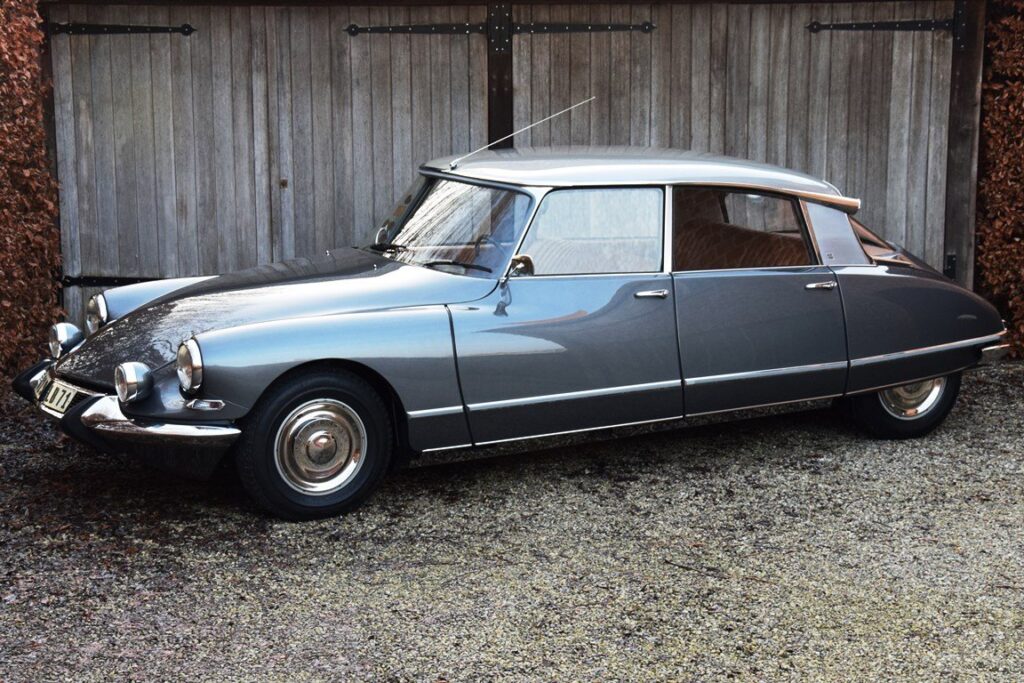
My first example is the 1965 Citroen DS. First, I gauge a car by ‘would I want to own it.’ My answer to this car is an emphatic NO. Although it wins kudos for its aerodynamics, clever self-leveling suspension, and myriad other innovations, it fails to enthrall me with its styling. I want a car that entices me, that makes a promise it’s going to deliver something more. A casual look is not enough – it’s got to tell me I must look further, closer. It projects a longing in you, and rewards with an invitation to engage – oh, yes!
So, I confess my idea of what constitutes a beautiful car is apparently much simpler than the practiced hands of the automotive designer. I want a car that moves me in the direction of threatening to seduce me, to overwhelm me with a performance that delivers on the promise its styling makes. And that styling must be beautiful, athletic, fit, exuding motion, action, excitement, and class.
But it cannot be busy, adding features for the sake of bragging. Today’s Lamborghinis, many of the recent Ferraris, even a few Aston Martins, have succumbed to these pedestrian attention-getting gimmicks. It’s a cliche of the modern car, one that pretends to mimic modern race cars and their complex aerodynamics. They are distractions with minimal functional practicality on street cars.
Today’s supercars and hypercars are the worst offenders, presumably because their performance is measurably enhanced by this aero trickery. But, the busyness adds nothing – indeed for me it detracts from – the purity of form I am looking for in a car. Sure, I get it – the aero stuff is fascinating but, in the end, from a purely aesthetic standpoint, it’s unfulfilling.
In the doldrums of car design from the mid-’70s to the mid-’80s, I used to refer to anything with a GM nameplate on it as “all show and no go.” Chevy Corvettes, Camaros, Firebirds, and the like spruced themselves up with fancy decals and non-functional scoops, trying to create excitement with superficial looks because they had no real performance to back it up. It was a promise their mechanicals couldn’t deliver.
So, I admit it – as a machine with a purpose and a known utility, the automobile form must not only follow, but promise its function. Add to that the challenge of conforming to a myriad of government safety regulations, and designers have a challenge unknown to manufacturers up through the mid-1970s. Still, there are cars fit to look at and those that are abominations.
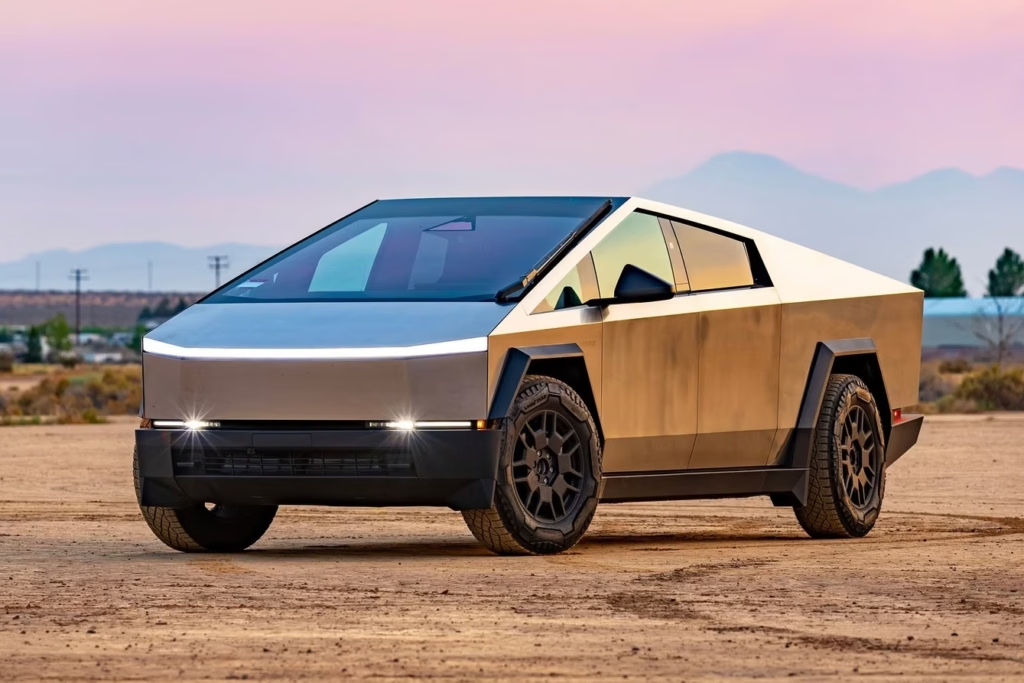
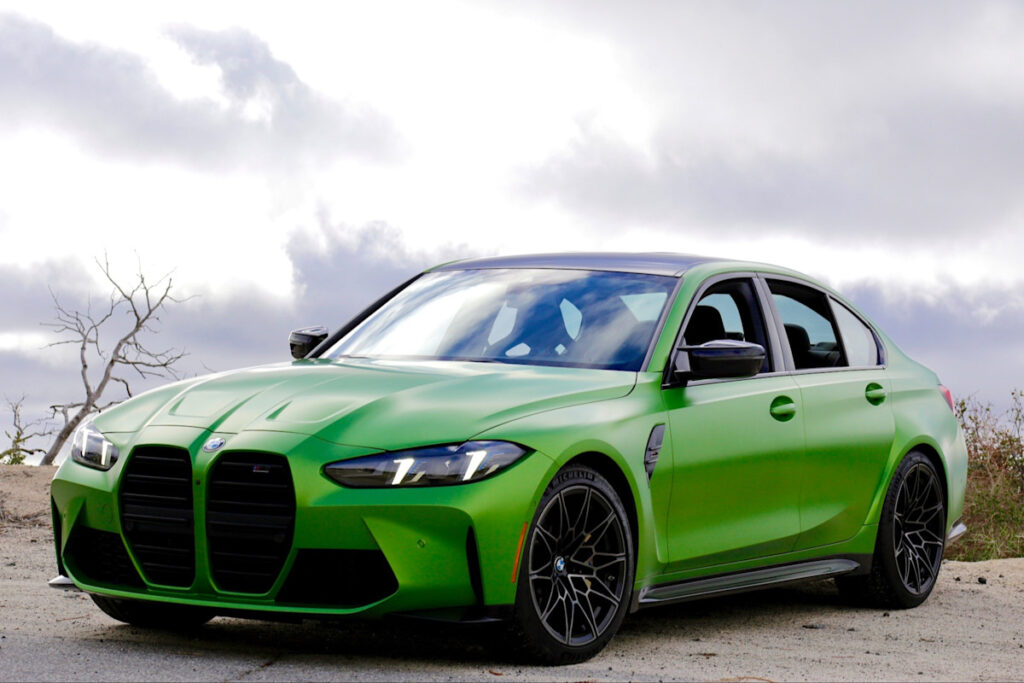
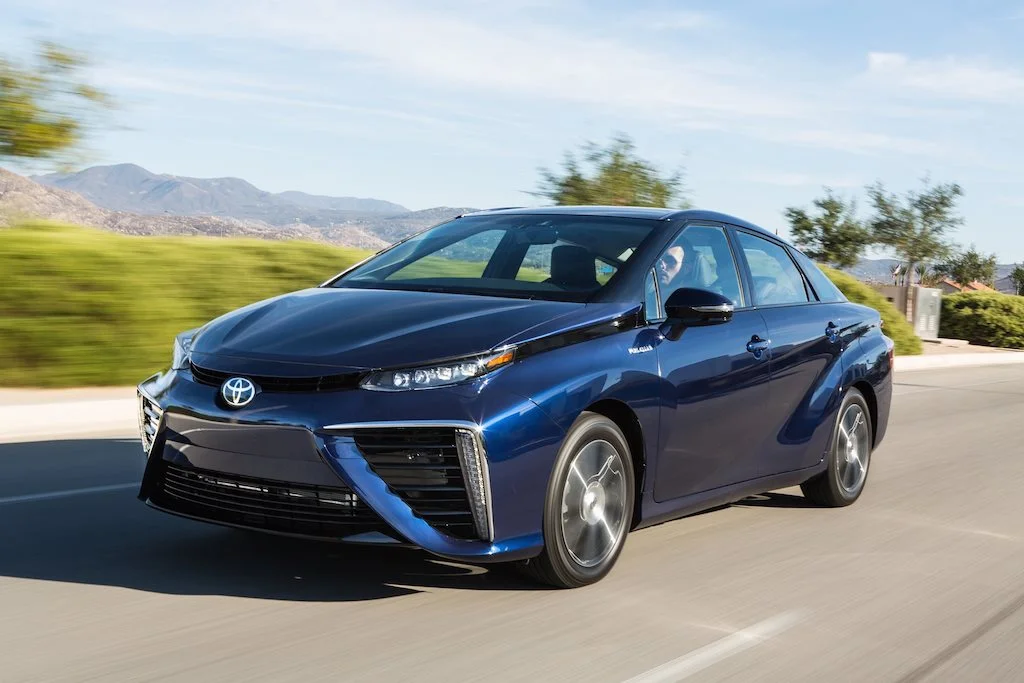
Anyone care for the Tesla Cybertruck? Not only is it a blatant provocation of a design, it presents a poor use of space and utility. Or the Nissan Juke, often accused of being an ugly cross between a gecko, a chipmunk, and a poison dart frog. How about those grotesque, oversized kidney grills on the guttural german BMWs, or the rubber-paneled doors of the Citroen C4 Cactus – they remind me of being caught in a padded cell. I can’t stand the huge, oversized finned grills of the current Toyotas – ugh! Every time I see one on the road I want to barf. Then there is the Nissan (again) Cube – we could say this is almost campy, but the box design mixed with chamfers, rounded corners, bulbous humps and tiny wheels is just a turn-off.
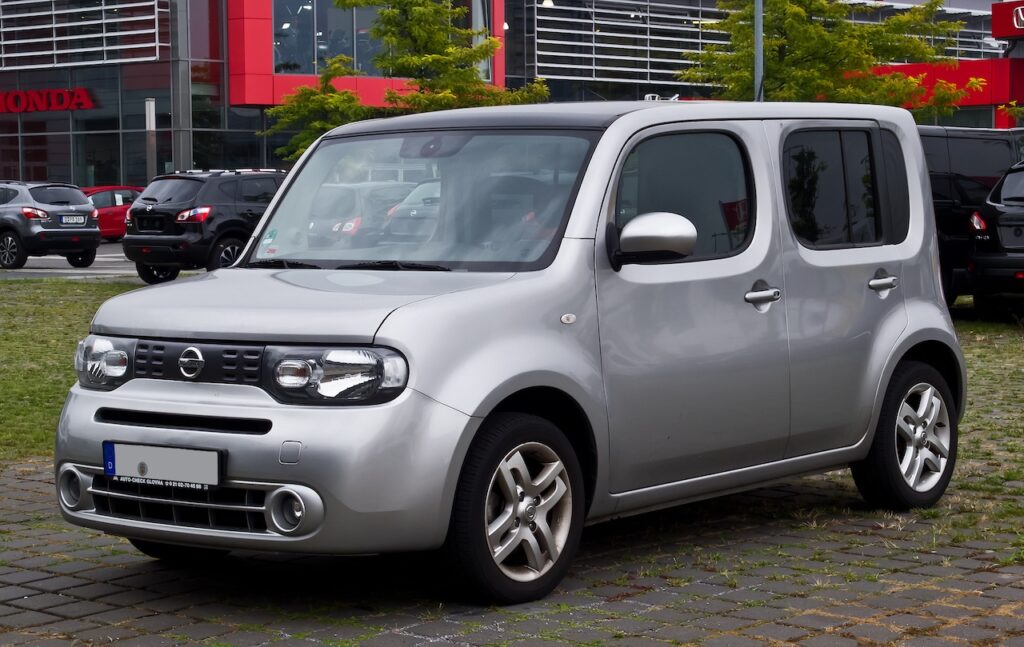
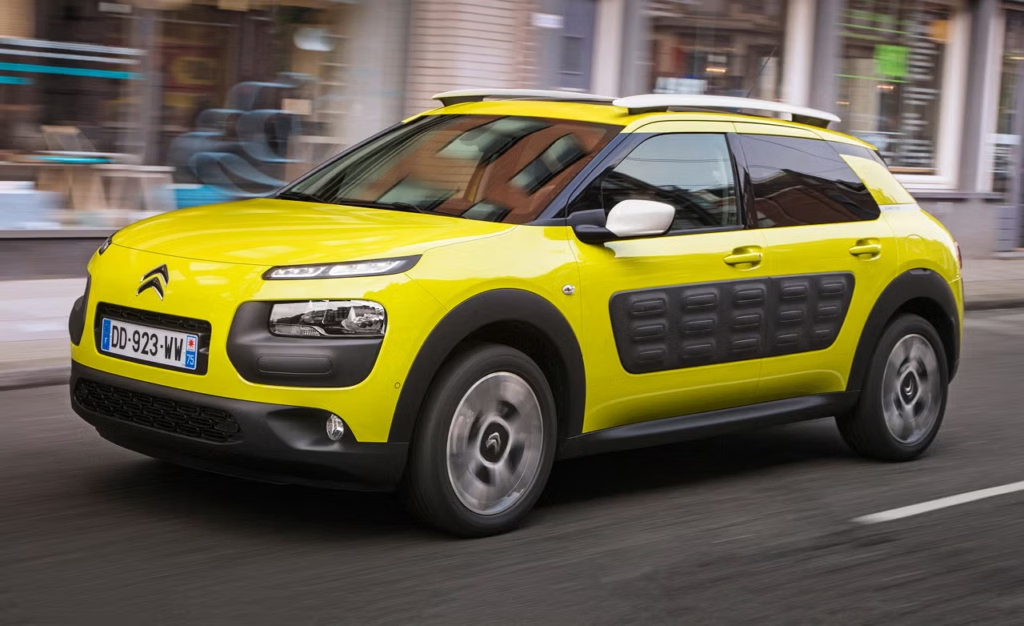
That was too easy. I could go on and on about ugly cars and asking, “What were these companies and their designers thinking?”
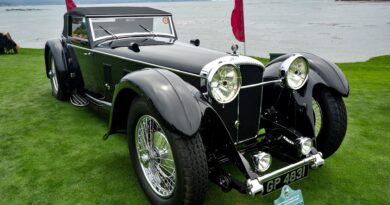
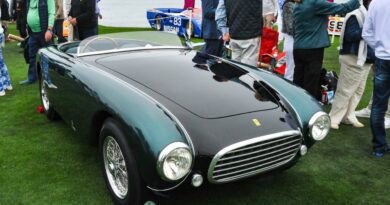
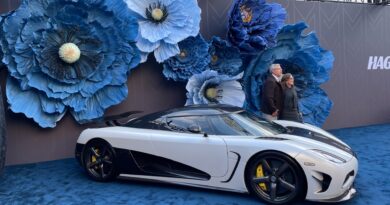
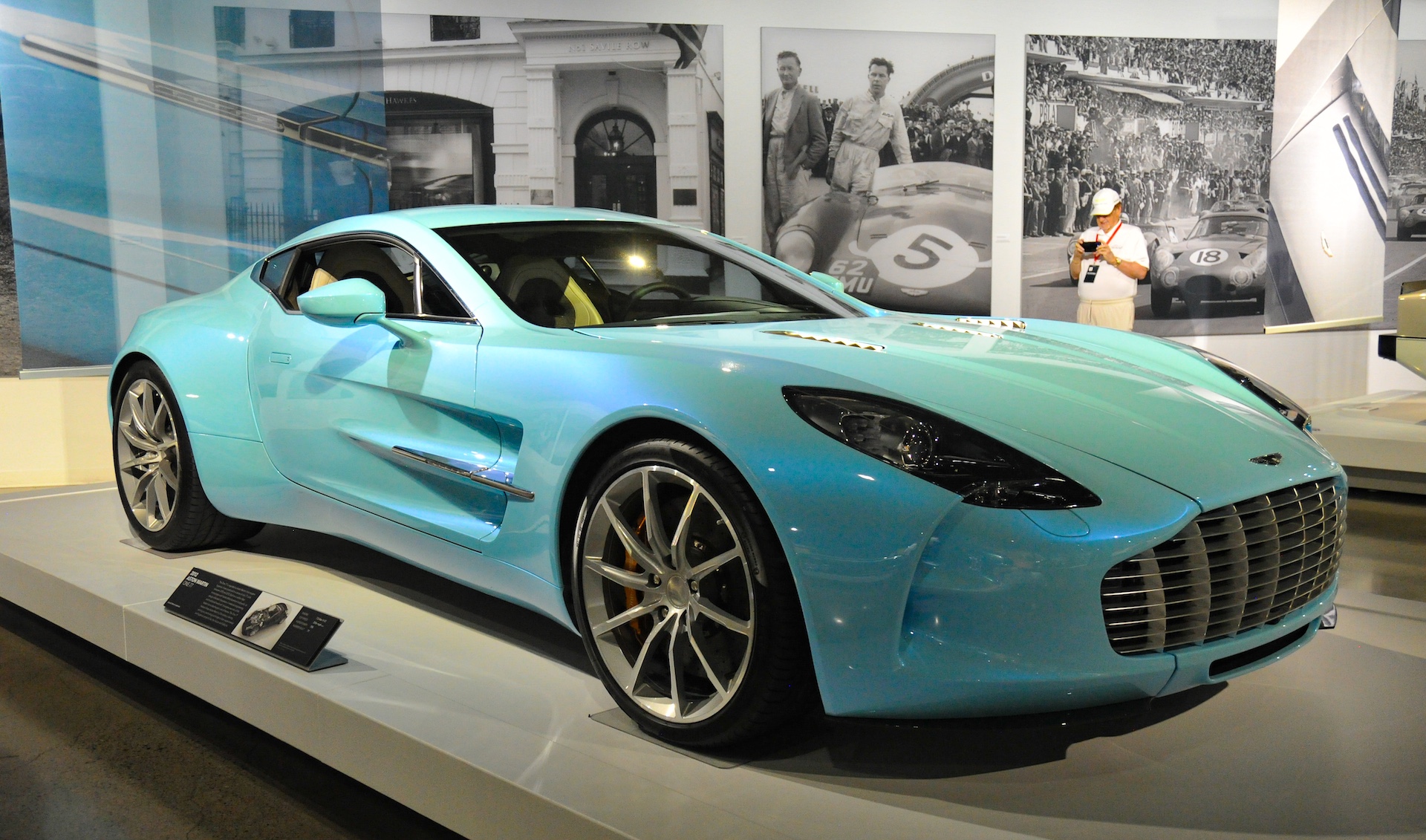
Okay, let’s take a deep breath, slowly exhale, and regain our focus. Beautiful cars. How about we look at a few:
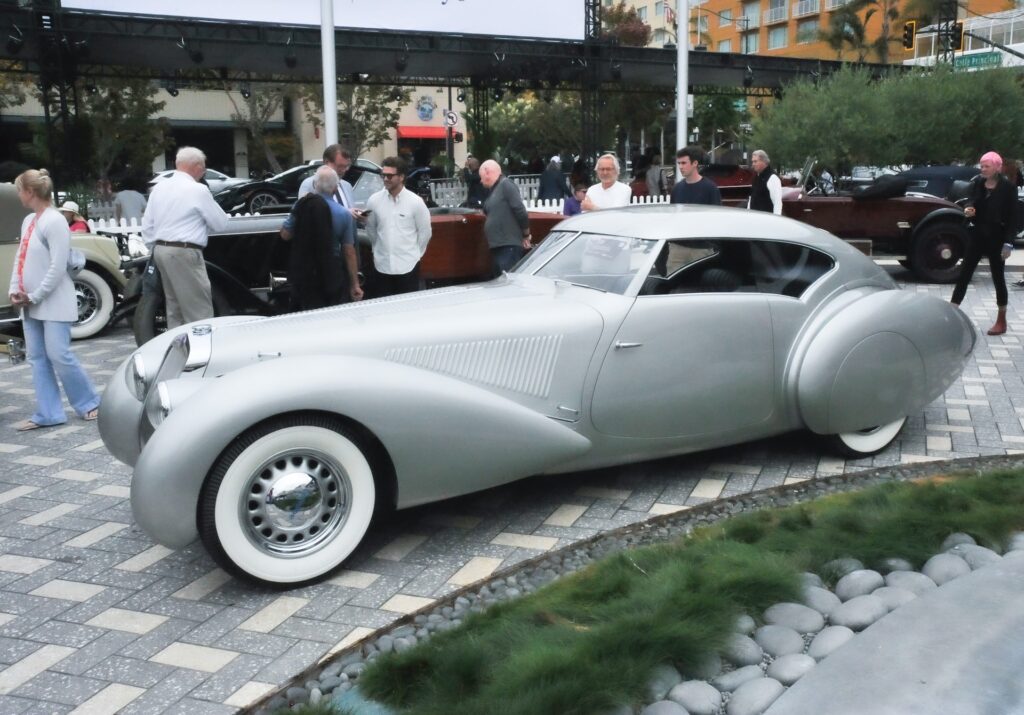
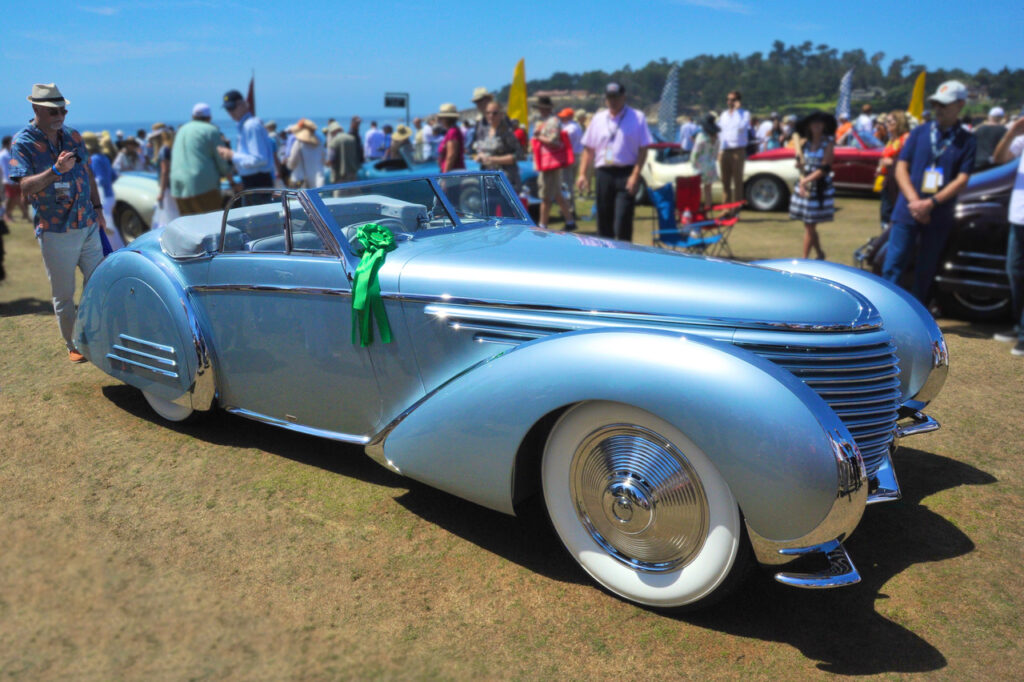
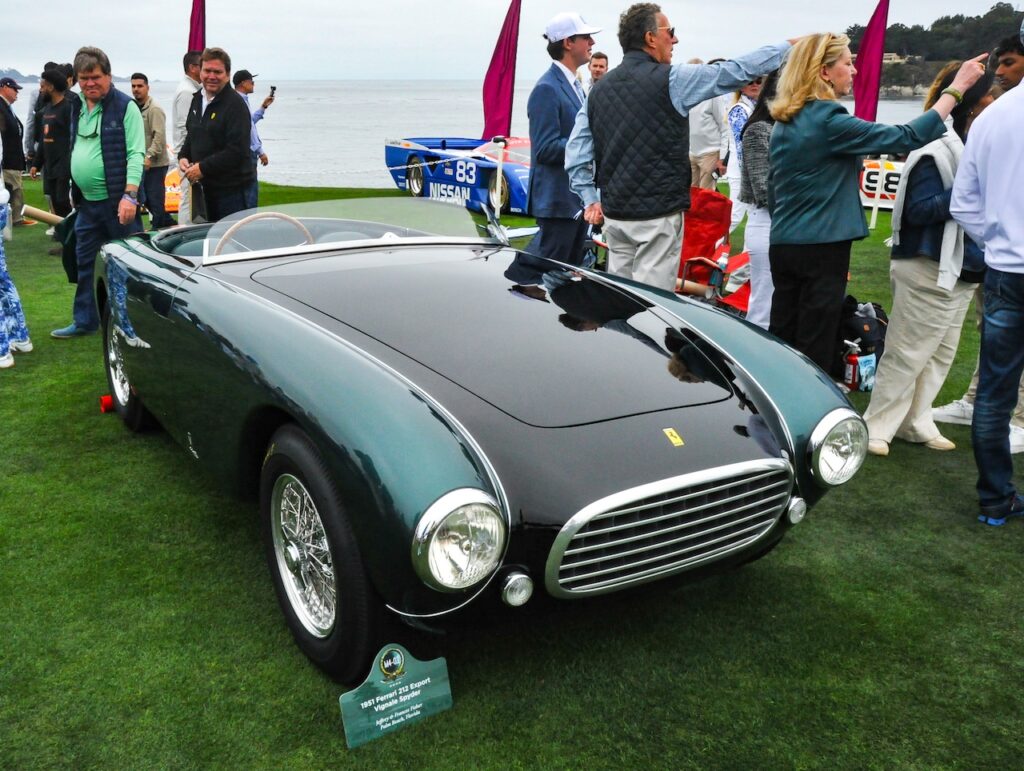


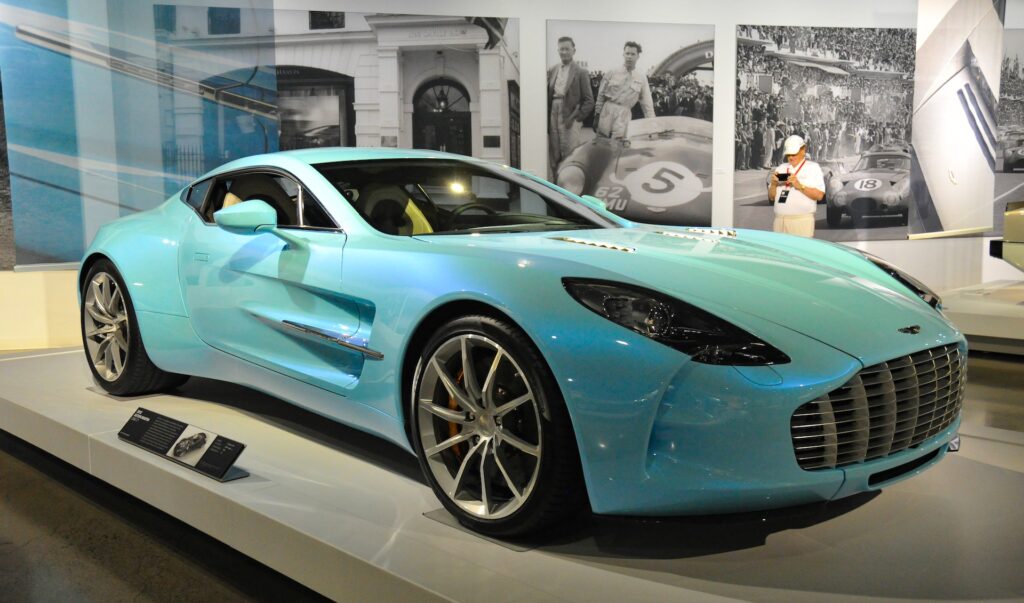
There it is. These are not all the cars I think of as beautiful, of course, but these are certainly a representative sample. It’s like trying to pick your favorite song – every one of them hits a wonderfully melodic line with thoughtful counterpoints and harmonies, and every one of them performs in a way that excites and satisfies. And, like a good story teller, something is always left for the imaginative observer to discover.